- DoctorBoss
- Posts
- You Spent 10 Years Training... Now Amplify It
You Spent 10 Years Training... Now Amplify It
Turn your knowledge into influence beyond the clinic.

Dr. Anne Truong
February 26, 2026
In partnership with


Hello there, Doctor Boss.
You spent your 20s and maybe your 30s becoming an expert. You mastered anatomy, physiology, pharmacology, clinical decision making, and the art of patient care. Yet when it comes to building visibility outside your clinic, you hesitate.
You tell yourself you need better branding. Better equipment. More time. A bigger following. But the truth is simple. You do not need perfection. You need a voice and a decision.
A medical podcast is not about becoming famous. It is about expanding your authority, multiplying your impact, and creating opportunities that do not depend on your clinic schedule.
Let’s break down exactly why you should start and how to do it without overwhelm.
Ready to take control of your career, diversify your income, and connect with like-minded physicians? Doctors Online Success is a thriving community designed to help you turn your medical expertise into impact, growth, and financial freedom.
When you speak inside your clinic, you influence one patient at a time. When you speak on a podcast, you influence hundreds or thousands without being physically present.
Your podcast becomes:
A credibility builder
A referral engine
A networking magnet
A long term brand asset
Voice builds connection faster than written content because listeners hear your tone, your conviction, and your personality. They begin to feel like they know you. That familiarity lowers barriers and builds trust.
You are not just sharing information. You are shaping perception. When someone listens to you consistently, they start to see you as the expert in that niche.
Authority is not declared. It is demonstrated repeatedly. Podcasting gives you a structured way to demonstrate it weekly.
📊 Interesting Facts You Should Know 📊
Here are a few numbers that should wake you up.
85% of podcasters quit before episode 5. That means if you commit to 50 episodes, you immediately separate yourself from the majority.
You can start a podcast for less than $100. You likely spend more than that on dinner in a single week.
Audio quality matters more than video quality. Even on YouTube, viewers will tolerate average visuals if the sound is clear. They will not tolerate poor audio.
Many physicians delay starting for years. Meanwhile, doctors with less experience but more action build audiences and influence.
The barrier to entry is low. The barrier to consistency is where most people fail. If you can survive medical training, you can survive the first 20 episodes.
Speak fuller prompts. Get better answers.
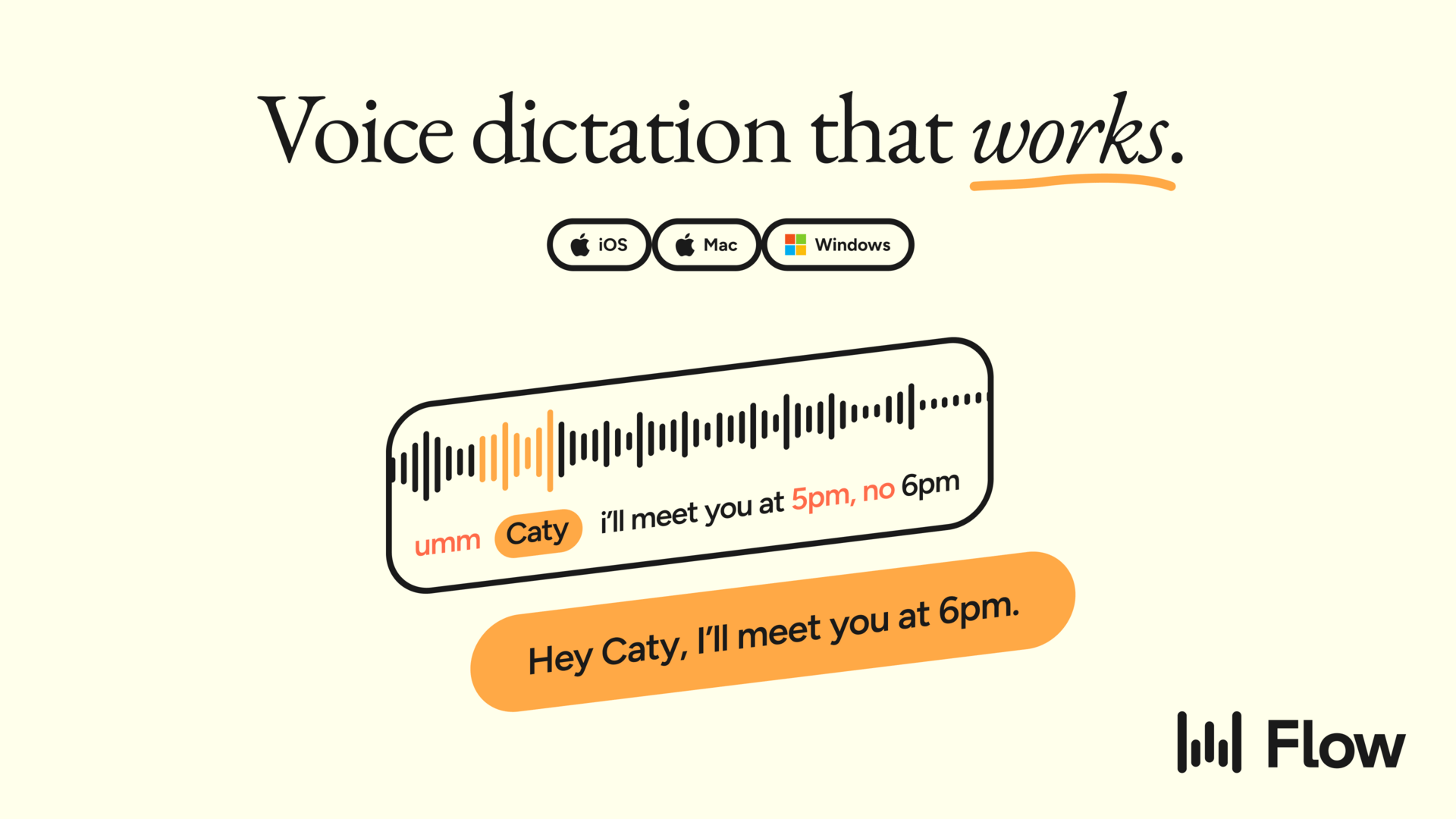
Stop losing nuance when you type prompts. Wispr Flow captures your spoken reasoning, removes filler, and formats it into a clear prompt that keeps examples, constraints, and tone intact. Drop that prompt into your AI tool and get fewer follow-up prompts and cleaner results. Works across your apps on Mac, Windows, and iPhone. Try Wispr Flow for AI to upgrade your inputs and save time.
🎯 Niche Down or Be Ignored 🎯
If you say you help everyone, you help no one. You must decide who you are speaking to and what transformation you are offering.
Instead of saying you help people with pain, say you help Baby Boomers with arthritic knee pain who want to avoid surgery.
Instead of saying you talk about weight loss, say you help early career physicians lose 20 pounds sustainably while working full time.
Specificity creates clarity. Clarity creates attraction. When you niche down, three things happen:
Your message becomes sharper.
Your audience feels seen.
Your authority grows faster.
Before you record your first episode, answer these two questions.
Who exactly are you speaking to
What transformation are you helping them achieve
Your podcast name, episode topics, and messaging should flow from those answers.
🎧 Choose a Format You Can Sustain 🎧
You do not need the perfect format. You need one you can maintain consistently.
Solo format allows you to position yourself strongly as the expert. It is efficient and flexible. However, you must get comfortable speaking alone for 20 to 30 minutes.
Co-host format creates natural conversation. It feels lighter and often easier when you are starting. However, both parties must share equal commitment. If one person loses enthusiasm, the show suffers.
Interview format accelerates credibility. You borrow authority from your guests. It expands your network and creates collaboration opportunities. However, you must manage scheduling, guest quality, and technical standards.
The key principle is sustainability. Choose a cadence you can realistically maintain. Once per week is powerful. Once every three weeks with no rhythm will not build momentum.
Commit to 50 episodes. Not 5. Not 10. Fifty.
The business side of healthcare

If your healthcare news feels scattered, that’s because it probably is.
Healthcare Brew pulls it together—covering pharma, policy, health tech, and hospital operations in a free newsletter built for the business side of healthcare.
Clear context. Industry interviews. Engaging reporting. Read by 135,000+ professionals who want to know what matters without digging for it.
🎤 Equipment You Actually Need 🎤
Doctors tend to overcomplicate things. You do not need a studio. You need:
A dynamic microphone under 100 dollars
A hosting platform that costs around 10 to 20 dollars per month
A quiet room with carpet or soft surfaces
A simple webcam if you want video
You do not need professional lighting, expensive cameras, or elaborate sets. If you want a clean background, use a neutral wall or a simple room divider. Avoid cluttered bookshelves or distracting objects. Visual noise pulls attention away from your message.
Remember this principle. Clarity of sound matters more than visual perfection.
Start simple. Upgrade later.
🧩 What You Should Talk About 🧩
You do not need endless creativity to begin. Use a simple framework for your first 10 episodes.
Episode 1 - Why you started the podcast
Episode 2 - Biggest mistakes your audience makes
Episode 3 - What no one tells them about your topic
Episode 4 - A case study or patient transformation
Episode 5 - Question and answer episode
Episode 6 - Your personal journey
Episode 7 - Top myths in your niche
Episode 8 - A reality check about your topic
Episode 9 - Lessons you have learned
Episode 10 - What you would do differently
Each episode should solve one real problem. Your daily patient conversations are your content bank. If a question comes up repeatedly in clinic, it deserves an episode.
Over time, you will find your voice. You will discover your framework. You will clarify what you stand for.
That only happens through action.
Your Boss Will Think You’re an Ecom Genius

Optimizing for growth? Go-to-Millions is Ari Murray’s ecommerce newsletter packed with proven tactics, creative that converts, and real operator insights—from product strategy to paid media. No mushy strategy. Just what’s working. Subscribe free for weekly ideas that drive revenue.
🛠 Your Action Plan This Week 🛠
You do not need another course, another certification, or another planning session. You need execution. Clarity plus action is what separates the doctors who think about building authority from the ones who actually build it.
Define your niche clearly.
Get painfully specific about who you serve and the exact transformation you provide. The clearer you are, the easier it becomes to create focused content and attract aligned listeners.
Choose your format.
Decide whether you will go solo, co host, or interview based on what you can sustain long term. Simplicity and consistency will outperform complexity every time.
Purchase a basic microphone.
Do not over research this step. Buy a solid dynamic mic and move on. Good audio builds credibility immediately.
Outline your first 10 episodes.
Use the plug and play framework and map out your first 10 topics in one sitting. This removes decision fatigue and gives you instant momentum.
Schedule your first recording session.
Put it on your calendar like a clinic appointment. Protect the time. If it is not scheduled, it will not happen.
Commit publicly to 50 episodes.
Tell your colleagues, your email list, or your social audience that you are launching and committing to 50 episodes. Public commitment increases accountability and keeps you from quitting at episode 4.
Do not wait for perfect timing. There is no perfect time in medicine and there is no perfect time in business. The only difference between the doctor who builds influence and the one who stays invisible is the decision to start.
❓ Frequently Asked Questions ❓
What if I’m not tech savvy?
Most podcast platforms are beginner friendly, and you only need a microphone and simple software to start. You can also outsource editing for a small fee.How long should each episode be?
Aim for 15 to 30 minutes to start, especially if you are doing solo episodes. Clarity and value matter more than length.Do I need a large audience before launching?
No, you start at zero and grow from there. Authority is built through consistency, not pre existing followers.Can I monetize right away?
You can generate indirect revenue early through attracting ideal patients or partnerships. Sponsorships usually come later as your audience grows.What if I miss a week?
Missing once is not failure, but inconsistency becomes a habit if you allow it. Reset quickly and return to your schedule.